How to Reduce Stress and Anxiety Naturally: 10 Evidence-Based Methods
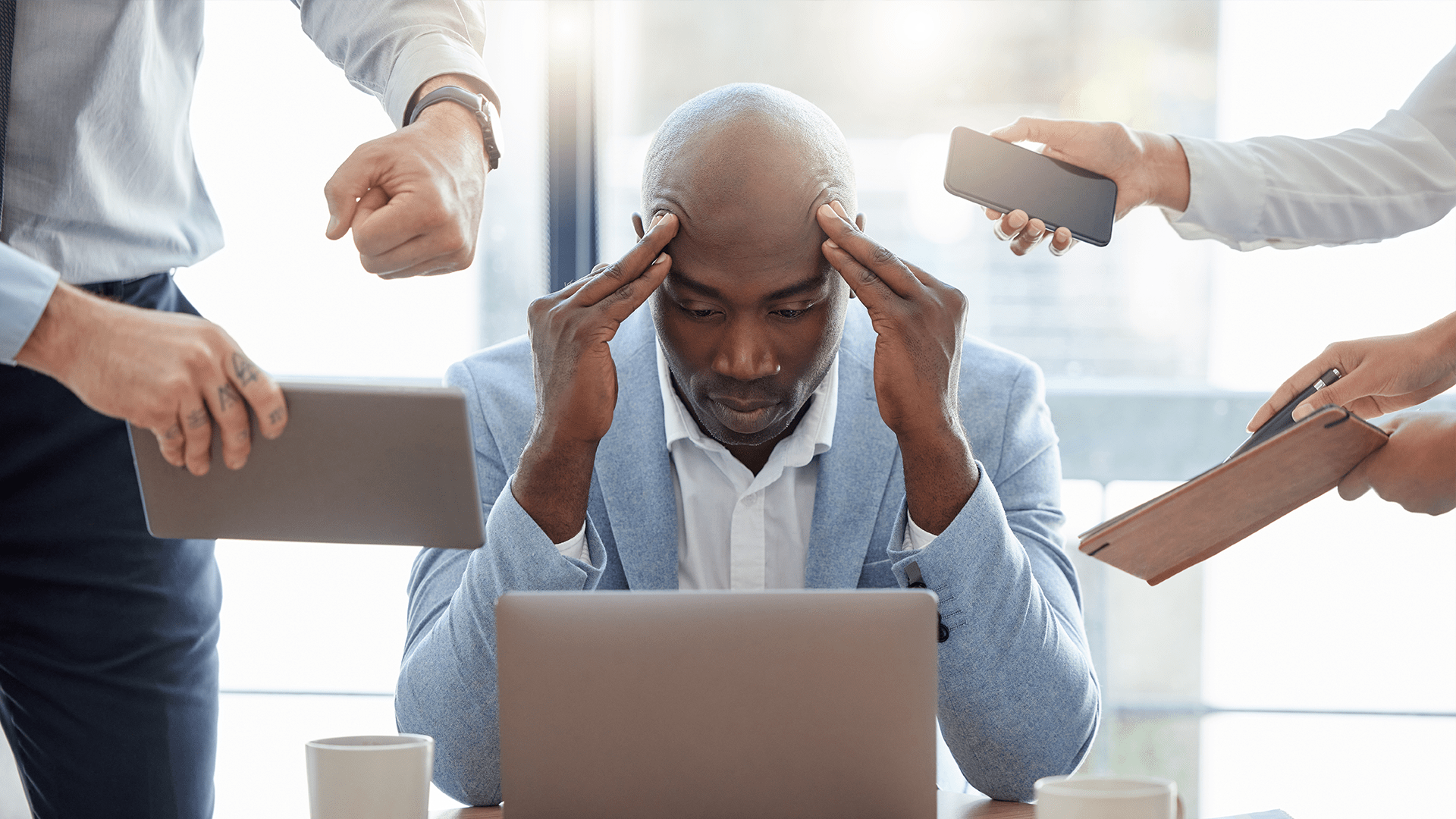
Chronic stress and anxiety are not just mental problems — they are physiological states that reshape your brain, hormones, and body. These 10 natural methods address the root causes rather than masking the symptoms.
Why Stress and Anxiety Are Not the Same Problem
Stress and anxiety are related but distinct. Stress is a response to an external threat or demand — a deadline, a conflict, a physical danger. When the stressor is removed, stress should resolve. Anxiety is a persistent activation of that same stress response without a clear external cause — a low-grade sense of threat that continues even when nothing is immediately wrong.
Both involve the same physiological machinery: the HPA axis (hypothalamic-pituitary-adrenal), which drives cortisol and adrenaline release, and the amygdala, the brain's threat-detection center. When this system becomes chronically activated — which happens gradually through accumulated stress, poor sleep, poor nutrition, and insufficient recovery — it begins to fire at lower and lower thresholds. Small triggers produce large responses. Rest feels impossible. The body cannot distinguish between a genuine emergency and an email notification.
The methods below work by directly targeting this physiological system — not by suppressing symptoms but by addressing the underlying dysregulation that allows stress and anxiety to persist.
1. Diaphragmatic Breathing: The Fastest Natural Anxiety Reducer
Slow, deep breathing is the most rapid and accessible intervention for acute stress and anxiety available without medication. It works through a direct physiological mechanism: the vagus nerve.
The vagus nerve is the primary pathway of the parasympathetic nervous system — the "rest and digest" counterpart to the stress response. Slow exhalations activate the vagus nerve and trigger a shift from sympathetic (stress) to parasympathetic (calm) dominance within two to three minutes.
The most effective breathing pattern for anxiety reduction: inhale for 4 seconds, hold for 1, exhale slowly for 6–8 seconds. The extended exhale is the key — it is the exhale, not the inhale, that activates vagal tone. Practice this for five minutes daily and use it during acute stress spikes throughout the day.
2. Regular Physical Exercise — Especially Low-to-Moderate Intensity
Exercise is one of the most robustly supported interventions for both stress and anxiety in the scientific literature — with effects comparable to medication for mild-to-moderate anxiety disorders in multiple meta-analyses.
The mechanisms are multiple: exercise reduces baseline cortisol over time, increases GABA (the brain's primary calming neurotransmitter), promotes neurogenesis in the hippocampus (anxiety disorders are associated with hippocampal shrinkage), and produces endorphins and endocannabinoids that reduce pain and elevate mood.
Critically, the type of exercise matters for anxiety specifically. High-intensity exercise acutely raises cortisol — beneficial for metabolic adaptation but potentially counterproductive during periods of already-high stress. Low-to-moderate intensity movement (walking, yoga, swimming, cycling at a comfortable pace) activates the parasympathetic system and reduces cortisol rather than spiking it. A daily 20–30 minute walk is one of the most effective natural anxiety interventions that exists.
3. Sleep Optimization
Sleep deprivation and anxiety exist in a bidirectional relationship. Poor sleep activates the amygdala and reduces prefrontal cortex regulation — making you more emotionally reactive and less able to evaluate threats rationally. And anxiety itself impairs sleep, through rumination and elevated cortisol.
Breaking this cycle is essential. Even partial improvements in sleep quality measurably reduce anxiety within days. The most impactful sleep habits for anxiety specifically: a consistent wake time, complete darkness in the bedroom, no screens 45 minutes before bed, and a brief wind-down routine that signals to the nervous system that the day is ending.
4. Reduce Caffeine — Especially in the Afternoon
Caffeine is an adenosine antagonist and a direct stimulant of the sympathetic nervous system. In people with anxiety, it mimics and amplifies the physiological state of anxiety — elevated heart rate, heightened alertness, increased cortisol. For many people, reducing or eliminating caffeine produces a more significant reduction in baseline anxiety than any other single change.
This does not necessarily mean eliminating caffeine entirely. It means being strategic: no caffeine after 1pm (to protect sleep quality), and paying attention to your individual tolerance. Some people are fast caffeine metabolizers who handle it well; others are slow metabolizers for whom even one morning coffee produces hours of low-grade anxiety.
5. Mindfulness Meditation
Mindfulness-based interventions have more clinical research support for anxiety reduction than almost any other non-pharmacological approach. The mechanism is not relaxation — it is the development of a different relationship to anxious thoughts and sensations. Instead of being pulled into anxious content, you practice observing it without engagement.
The practical effect over weeks of regular practice: the gap between trigger and response grows. You notice anxiety arising earlier, before it spirals. The amygdala becomes less reactive, and the prefrontal cortex more effectively regulates it. Research shows measurable structural brain changes — reduced amygdala volume, increased prefrontal thickness — with as little as eight weeks of consistent daily practice.
Start with 10 minutes per day of focused attention on breath. The Wellness Pure Life mindfulness program structures this as a progressive daily practice that builds from basic attention training to open monitoring and emotional regulation techniques.
🧘 Ready to apply this to your life?
Take our 2-min quiz and receive a personalized calm, breathwork & sleep routine.
Get My Mindfulness Plan →Free · No account needed · 2 minutes6. Magnesium
Magnesium is the most common micronutrient deficiency in developed countries — estimated to affect 50–80% of adults — and it plays a direct role in anxiety regulation. Magnesium is a cofactor in over 300 enzymatic reactions and is essential for GABA receptor function. Low magnesium is associated with increased cortisol reactivity, impaired sleep, and heightened anxiety.
Food sources high in magnesium: dark leafy greens (spinach, Swiss chard), pumpkin seeds, almonds, dark chocolate, legumes, and whole grains. Magnesium is depleted by stress itself (cortisol drives urinary magnesium excretion), creating a cycle where stress reduces magnesium which increases stress reactivity. Addressing dietary magnesium intake directly interrupts this cycle.
7. Nature Exposure
Time in natural environments produces measurable reductions in cortisol, blood pressure, and amygdala activity. Studies comparing urban walks to nature walks show significantly greater stress reduction in the nature condition — even when controlling for exercise. The effect is not merely aesthetic: certain visual, auditory, and sensory features of natural environments (fractal patterns, natural sounds, soft indirect light) directly modulate the nervous system.
Twenty minutes in a green space — a park, a garden, a trail — three times per week is enough to produce measurable reductions in stress hormones. You do not need wilderness. Even urban green spaces produce the effect.
8. Limit News and Social Media Consumption
The human stress response evolved for immediate, local threats — predators, rival groups, food scarcity. It was not designed to process a continuous global stream of threats, tragedies, and conflicts. Chronic news and social media consumption activates the threat-detection system repeatedly throughout the day without providing any corresponding resolution. The result is sustained low-grade anxiety that feels like "the state of the world" but is partially a consequence of information consumption patterns.
This does not mean becoming uninformed. It means being intentional: check news once per day rather than continuously, avoid news within 90 minutes of bedtime, and notice how specific content affects your nervous system. Some people find that a two-week news reduction produces a more significant anxiety improvement than months of other interventions.
9. Social Connection
Social isolation is one of the strongest predictors of chronic stress and anxiety. Human beings are neurobiologically wired for social connection — the presence of trusted others activates oxytocin release and directly reduces cortisol. Loneliness activates the same brain regions as physical pain.
Quality matters more than quantity. A single close, supportive relationship has more stress-protective value than many superficial connections. Prioritizing time with people who genuinely support you — even brief, regular contact — measurably reduces anxiety over time. Volunteering and helping others also activates this system, even when direct social support is limited.
10. Structure and Routine
Uncertainty is one of the primary drivers of anxiety. The brain treats unpredictability as a threat signal — when you do not know what is coming, the threat-detection system remains on alert. Consistent daily structure reduces this uncertainty load by making large portions of your day predictable.
A morning routine, consistent meal times, a regular sleep schedule, and a brief evening wind-down all reduce the number of micro-decisions and uncertainties your nervous system has to process each day. This is not rigidity — it is creating a stable framework within which the unexpected becomes manageable rather than threatening.
The Wellness Pure Life daily routine feature generates a personalized daily structure built around your goals, schedule, and stress levels — providing the predictability framework that reduces anxiety while keeping the routine flexible enough for real life.
Building a Natural Stress Reduction System
These methods work best in combination. Sleep improvement enhances the effectiveness of exercise. Exercise improves sleep quality. Mindfulness practice makes breathing techniques more accessible during acute stress. Reduced caffeine improves sleep. Each intervention reinforces the others.
The goal is not to eliminate stress — stress is a normal and necessary part of life. The goal is to reduce your baseline activation level so that normal stressors produce proportionate responses rather than overwhelming ones. That shift, built through consistent daily practices, is what separates people who feel chronically overwhelmed from those who move through difficulty with genuine resilience.
Was this article helpful?
Keep Reading

The Best Morning Drinks That Boost Your Metabolism Naturally
Read now →
Why Am I Always Tired? The Real Reasons You're Exhausted
Read now →
Why Motivation Does Not Work
Read now →
Evening Routines to Reset Your Nervous System
Read now →
Nutrition for Stress Resilience
Read now →
Why You Cannot Focus Anymore
Read now →Get a Wellness Plan Built Around You
Take our free AI quiz and receive a custom fitness, mindfulness, and nutrition plan tailored to your body, habits, and goals — in under 2 minutes.
No credit card · 2 minutes · 100% free