
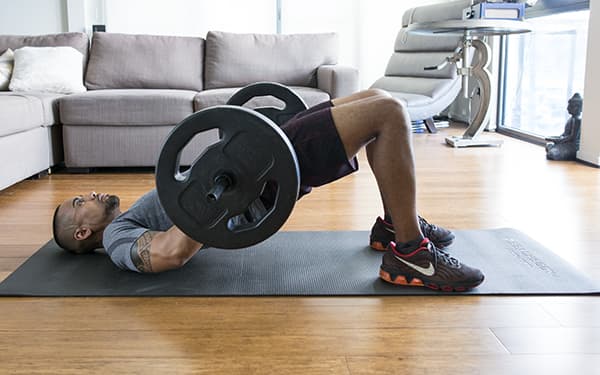
Dumbbell Full-Body Workout: Build Strength at Home
Disclaimer: This content is educational and not a substitute for professional medical advice.
Dumbbells are the most versatile piece of home gym equipment. With the right exercise selection and progressive overload, you can build meaningful strength and muscle without a barbell, cables, or machines.
Why Dumbbells Are Enough
Dumbbells offer unilateral training (each side works independently), fixing muscle imbalances that barbells often hide. They also require stabiliser muscles throughout every movement.
Studies show dumbbell training produces comparable strength and muscle gains to barbell training when taken close to muscular failure with good technique.
What Weight Should You Start With?
Choose a weight where the last 2–3 reps of each set are challenging but form stays clean.
General starting guidelines: - Beginners (women): 3–6 kg upper body, 8–12 kg lower body - Beginners (men): 6–10 kg upper body, 12–20 kg lower body
Invest in adjustable dumbbells or 2–3 pairs of different weights to progress over time.
The Core 6 Exercises
Perform 3 sets of 10–12 reps. Rest 60–90 seconds between sets.
1. Goblet squat — quads, glutes, core 2. Romanian deadlift — hamstrings, glutes, lower back 3. Floor press — chest, triceps, front delts 4. Bent-over row — back, rear delts, biceps 5. Shoulder press — shoulders, triceps 6. Reverse lunge — quads, glutes, balance
Unlock Your Full Wellness System
Get full access to your personalized plans, AI-powered tools, exclusive expert insights, and long-term progress tracking.
- ✨ What You Unlock with Premium
- 📅 AI-built weekly wellness plan
- 🧘 Daily Rituals Pro
- 🛌 Sleep Reset protocol
- 💆 Stress Reset protocol
- 🥗 Easy nutrition structure
- 📊 Habit & progress tracking
Progressive Overload
To keep getting stronger:
- Add reps: If you hit 12 clean reps, aim for 13–15 next session - Add weight: Once you reach 15 reps with good form, increase weight by 1–2 kg - Reduce rest: Shorter rest periods increase intensity without changing weight - Add a set: Go from 3 to 4 sets on main lifts
Log your sessions so you always know what you did last week.
Training Frequency
2–3 full-body sessions per week with at least one rest day between each is optimal for beginners. Quality sleep is equally important — our mindful sleep guide covers the wind-down habits that maximize recovery overnight.
Sample schedule: - Monday: Full-body workout - Wednesday: Full-body workout - Friday: Full-body workout - Other days: Walking, stretching, or rest
When to Expect Results
Weeks 1–3: Strength gains are primarily neurological. You may not look different but will feel stronger.
Weeks 4–8: Visible changes in muscle tone begin. Energy levels improve. Pairing this with a nutrition plan that supports muscle repair accelerates these results significantly.
3–6 months: Noticeable changes in body composition with consistent training and adequate protein.
Patience and consistency beat intensity every time.
 FITNESS
Synthol Injections: What You Should Be Aware Of
Uncover the realities of synthol injections and the potential consequences faced by individuals using them... This section goes beyond the…
Read Guide FITNESS
Simple and Challenging Ways to Shape Your Legs
Discover exercises for well-toned legs and learn how to achieve sculpted legs with ease... This section goes beyond the basics, providing a…
Read Guide FITNESS
8 Alternatives to Leg Curls
Need an alternative to leg curls that you can do at home, on the go, or anywhere without special equipment... This section goes beyond the…
Read Guide- FITNESS
The Best Substitutes for the Leg Press Machine
Explore five alternatives to the leg press machine that can effectively strengthen your lower body... This section goes beyond the basics,…
Read Guide
Build Your Strength Training Plan
Take our 2-min quiz and get a personalized strength program based on your goals, equipment, and experience.
★★★★★ Trusted by 12,400+ wellness seekers
Free · No account needed · 2 minutesWas this article helpful?
Frequently Asked Questions
How many sets and reps should a beginner do?
Start with 2–3 sets of 8–12 reps per exercise. This rep range builds both strength and muscle, making it ideal for beginners.
How long should I rest between sets?
60–90 seconds for muscle building, 2–3 minutes for strength-focused work. Shorter rest increases metabolic demand; longer rest supports heavier lifts.
Should I lift weights every day?
No. Muscles grow during rest, not during training. Aim for 2–4 sessions per week with at least one rest day between sessions targeting the same muscle groups.
Is it better to use machines or free weights?
Free weights engage more stabilizer muscles and are more functional. Machines are useful for beginners learning movement patterns safely.

Wellness Pure Life is a science-backed platform dedicated to helping you build sustainable habits across fitness, mindfulness, and nutrition. Every guide is written with care, grounded in research, and designed to be genuinely actionable — so you can make real, lasting change.