Foam Rolling: The Complete Guide to Muscle Recovery
Disclaimer: This content is educational and not a substitute for professional medical advice.
Foam rolling mimics the effects of a deep tissue massage by applying pressure to tight spots in your muscles and connective tissue (fascia). Done consistently after training, it can dramatically reduce DOMS and keep your body moving freely.
What Is Self-Myofascial Release?
Fascia is the connective tissue that wraps around every muscle. When you train hard or sit for long hours, fascia can tighten and form adhesions — commonly called knots.
Foam rolling applies sustained pressure to these areas, stimulating mechanoreceptors that trigger the nervous system to release tension. The result is improved tissue quality, better range of motion, and faster recovery.
Foam Rolling vs. Stretching
Stretching lengthens the muscle. Foam rolling releases the fascia surrounding it.
Both are valuable and complementary. The optimal sequence: 1. Foam roll first — release tight fascia (and consider anti-inflammatory foods to reduce baseline fascia tension) 2. Then stretch — the muscle can now lengthen more effectively
How to Foam Roll Correctly
- Place the roller under the target muscle group
- Slowly roll 2–3 cm at a time toward the heart
- When you find a tender spot, pause and hold for 20–30 seconds
- Breathe deeply — exhaling helps the tissue release
- Continue until the area feels less tender
Key rule: Never roll directly over a joint, bone, or the lower spine.
Unlock Your Full Wellness System
Get full access to your personalized plans, AI-powered tools, exclusive expert insights, and long-term progress tracking.
- ✨ What You Unlock with Premium
- 📅 AI-built weekly wellness plan
- 🧘 Daily Rituals Pro
- 🛌 Sleep Reset protocol
- 💆 Stress Reset protocol
- 🥗 Easy nutrition structure
- 📊 Habit & progress tracking
The 5 Key Areas to Roll
- Quadriceps — face-down, roller under thighs
- IT band (outer thigh) — side-lying
- Calves — seated, roller under calves
- Upper back/thoracic spine — roller horizontal across mid-back
- Glutes and piriformis — seated on roller, one ankle crossed over opposite knee
When to Foam Roll
Before training (5 min): Roll muscles you're about to train to improve range of motion. Keep brief — 30–45 seconds per area.
After training (10 min): Longer session to flush metabolic waste — pair with a protein-rich recovery meal (see our workout nutrition guide) and begin recovery.
Rest days (10–15 min): Full-body rolling session. This is when most recovery benefit accumulates.
Common Mistakes
- Rolling too fast: You need 2–3 seconds per centimetre to affect the fascia.
- Rolling directly on pain: Acute injuries need rest, not pressure.
- Holding your breath: Breathe deeply to enhance the release.
- Skipping it when sore: This is exactly when rolling helps most — start gently.
 FITNESS
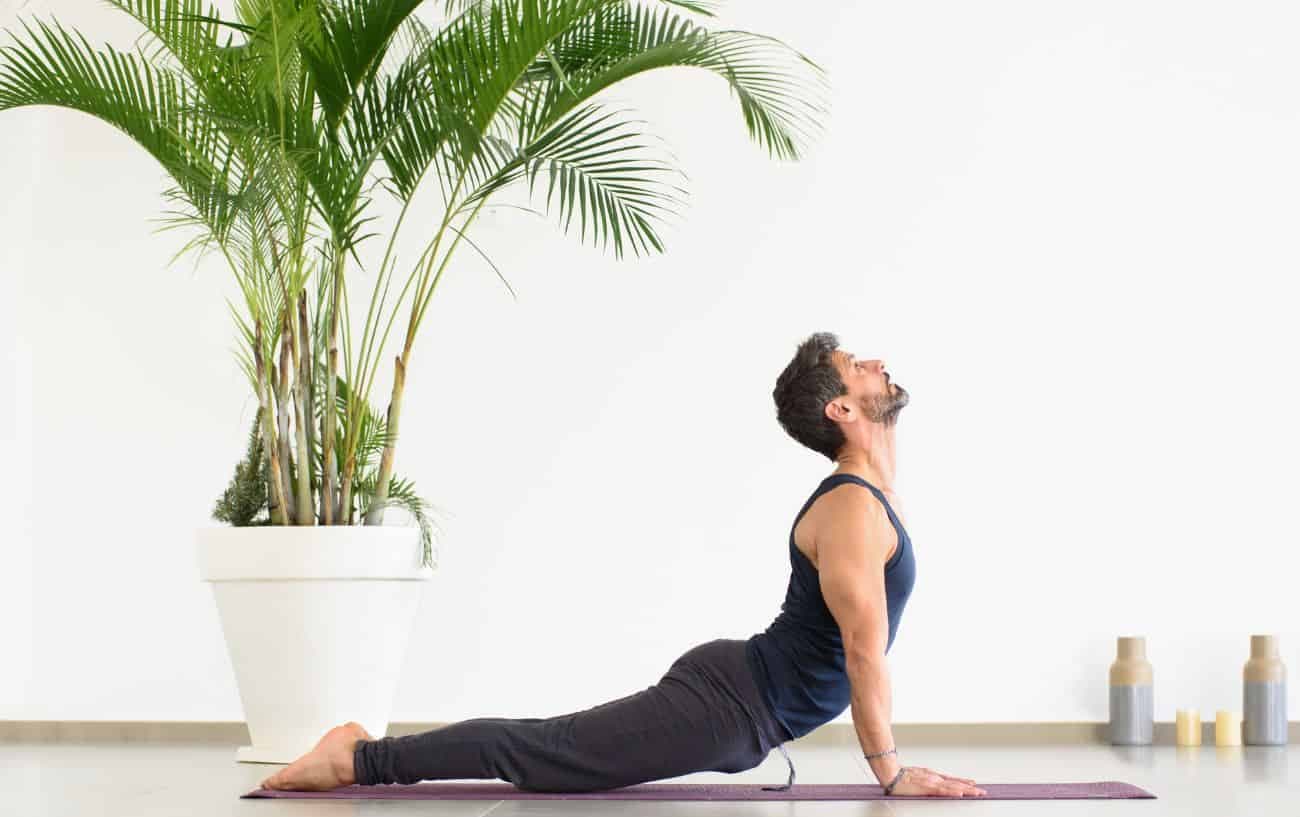
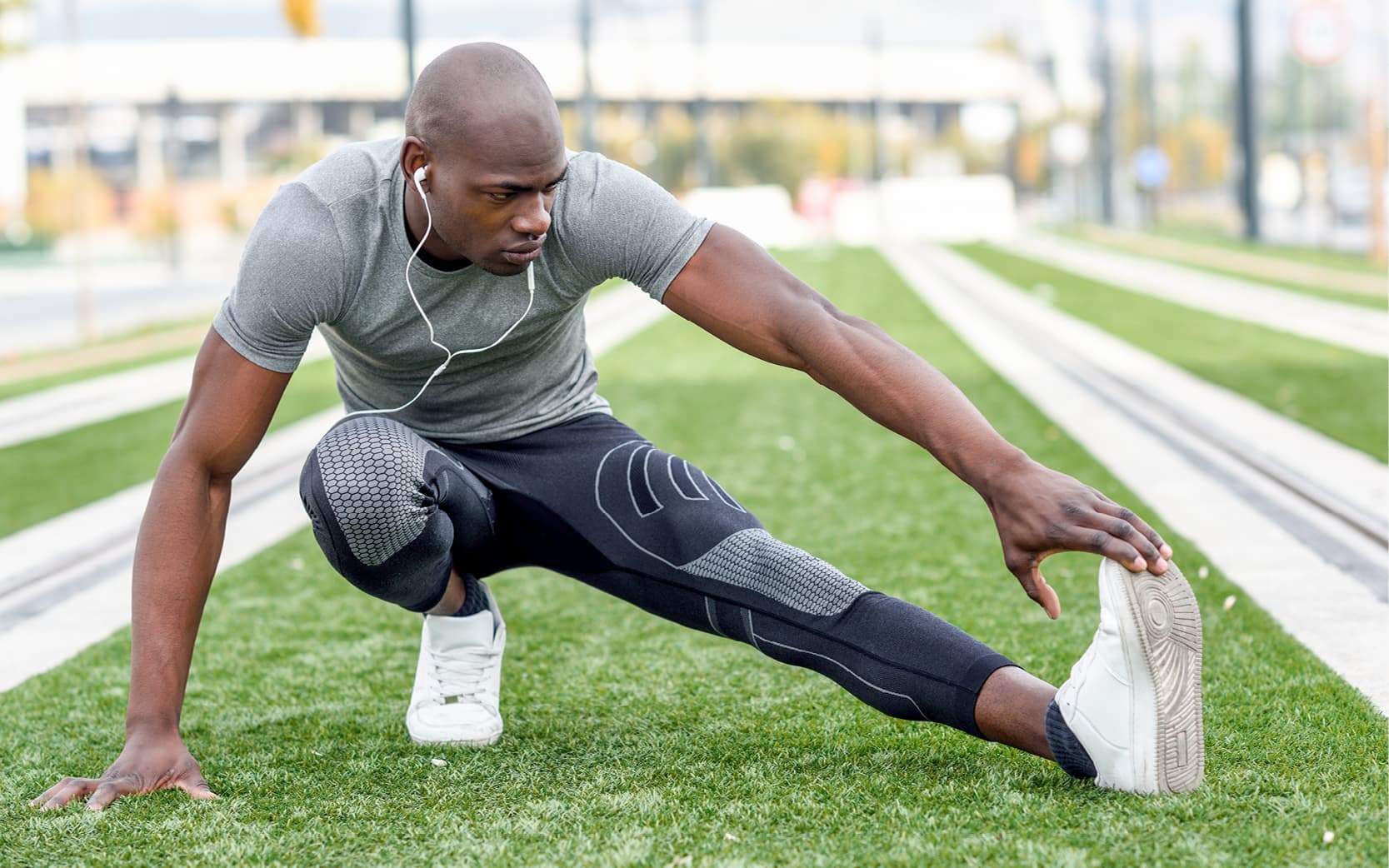
The Benefits of Stretching and Its Pleasurable Effects
Experience the pleasure of stretching as it activates your parasympathetic nervous system, promoting relaxation... This section goes beyond…
Read Guide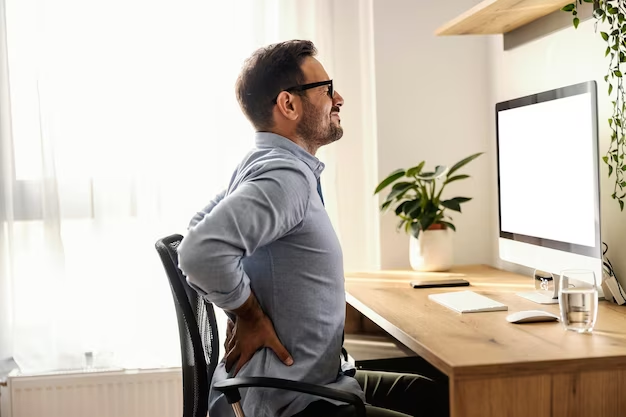 FITNESS
12 Exercises for Enhancing Your Posture
Develop and maintain good posture with a combination of muscle strength and joint mobility through these exercises... This section goes…
Read Guide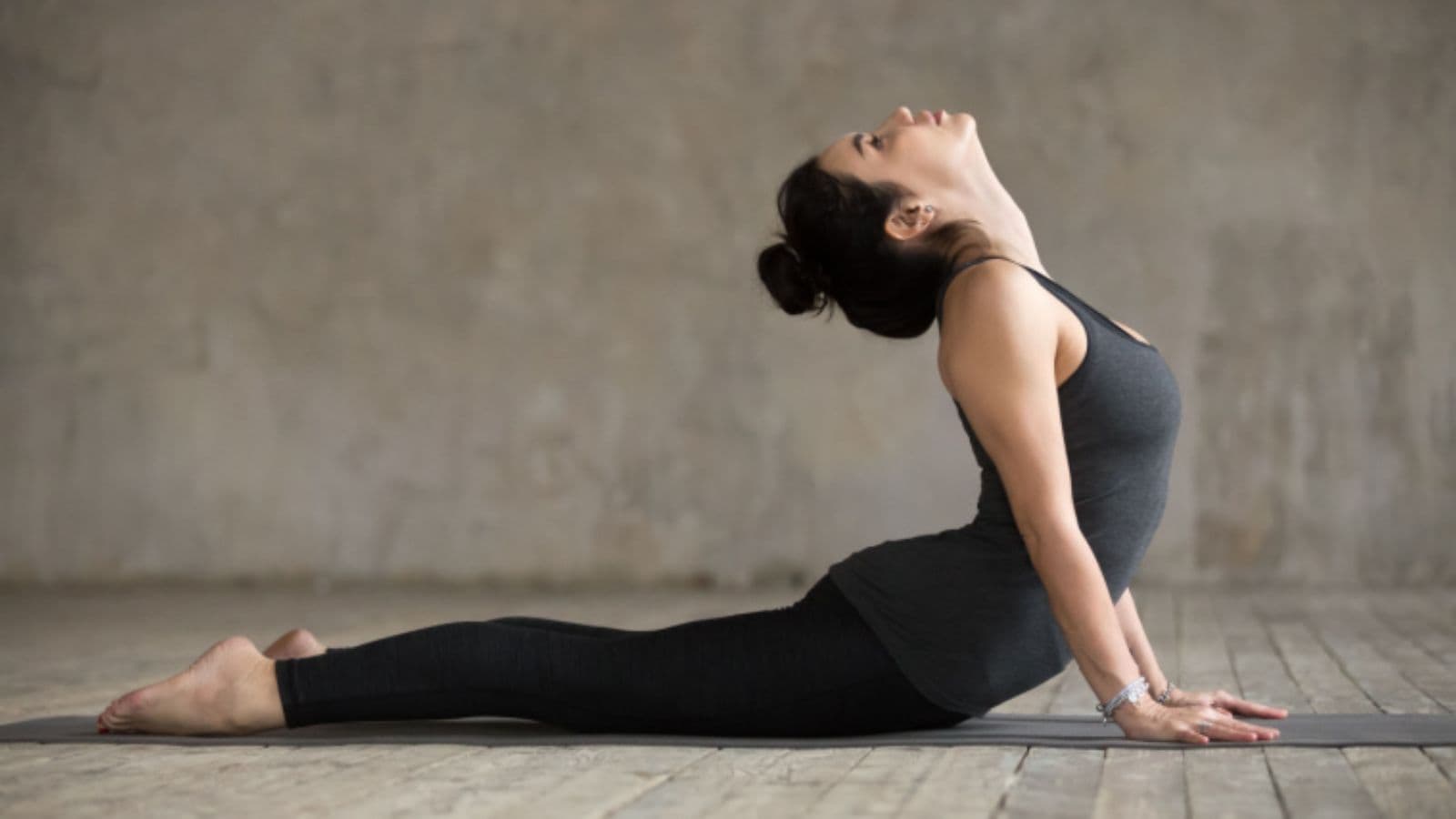 FITNESS
Embracing Flexibility for Overall Health
Stretch your body to achieve greater suppleness and flexibility, reaping numerous physical benefits... This section goes beyond the basics,…
Read Guide FITNESS
Recognizing Signs of Overtraining and How to Address Them
Learn to identify signs of overtraining and discover strategies to address them, ensuring This section goes beyond the basics, providing a…
Read Guide
Optimize Your Recovery & Sleep Plan
Take our 2-min quiz and get a recovery protocol for better sleep, less soreness, and more daily energy.
★★★★★ Trusted by 12,400+ wellness seekers
Free · No account needed · 2 minutesWas this article helpful?
Frequently Asked Questions
How many rest days do I need per week?
Most active people benefit from 1–2 full rest days per week. Light active recovery (walking, stretching) on rest days keeps blood flowing without stressing the body.
What should I eat on rest days?
Slightly reduce carbohydrate intake since you're not burning as much fuel, but keep protein high (0.7–1g per pound of body weight) to support muscle repair.
Does sleep really affect fitness results?
Dramatically. Growth hormone — responsible for muscle repair and fat metabolism — is released primarily during deep sleep. Poor sleep slows recovery and increases injury risk.
Is muscle soreness after a workout a good sign?
Mild soreness (DOMS) is normal and indicates muscle adaptation. Severe or sharp pain, especially in joints, is not normal and warrants rest or medical attention.

Wellness Pure Life is a science-backed platform dedicated to helping you build sustainable habits across fitness, mindfulness, and nutrition. Every guide is written with care, grounded in research, and designed to be genuinely actionable — so you can make real, lasting change.