

HIIT Training for Maximum Fat Burn
Disclaimer: This content is educational and not a substitute for professional medical advice.
HIIT alternates short bursts of intense effort with brief recovery periods, pushing your body into a state where it burns fat both during and after the workout. Whether you are a beginner or seasoned athlete, HIIT can be adapted to your fitness level and done with zero equipment.
What Is HIIT?
HIIT stands for High-Intensity Interval Training. A session typically lasts 15–30 minutes and alternates between 20–40 seconds of maximum effort and 10–20 seconds of rest.
The key is that your hard intervals should feel genuinely challenging — around 80–90% of your maximum heart rate. This intensity triggers the afterburn effect (EPOC), where your body continues burning calories for up to 24 hours post-workout.
Why HIIT Burns More Fat Than Steady Cardio
Traditional steady-state cardio burns calories during the session. HIIT burns calories during and after due to elevated oxygen consumption post-exercise (EPOC).
Studies show HIIT can burn 25–30% more calories than running or cycling at a moderate pace in the same time window. It also preserves lean muscle mass better than long-duration cardio.
Beginner HIIT Workout (No Equipment)
Perform each exercise for 30 seconds, rest 15 seconds, then move to the next. Complete 3–4 rounds:
1. Jumping jacks — full body warm-up 2. Squat jumps — lower body power 3. Push-ups — upper body and core 4. High knees — cardio spike 5. Mountain climbers — core and endurance
Rest 60–90 seconds between rounds. Start with 2 rounds and build up over 2–3 weeks.
Unlock Your Full Wellness System
Get full access to your personalized plans, AI-powered tools, exclusive expert insights, and long-term progress tracking.
- ✨ What You Unlock with Premium
- 📅 AI-built weekly wellness plan
- 🧘 Daily Rituals Pro
- 🛌 Sleep Reset protocol
- 💆 Stress Reset protocol
- 🥗 Easy nutrition structure
- 📊 Habit & progress tracking
How Many Days Per Week?
2–3 HIIT sessions per week is the sweet spot for most people. More than 4 sessions weekly risks overtraining and injury.
Sample weekly plan: - Monday: HIIT - Wednesday: HIIT - Friday: HIIT - Other days: Walking, strength training, or active recovery
Always leave at least 48 hours between HIIT sessions targeting the same muscle groups.
Warm-Up and Cool-Down
Warm-up (5 min): Leg swings, arm circles, hip rotations, slow jogging in place. Raises heart rate gradually and reduces injury risk.
Cool-down (5 min): Walking, then static stretches for quads, hamstrings, calves, and shoulders. Brings heart rate down safely and reduces next-day soreness.
Common HIIT Mistakes to Avoid
- Skipping rest periods — rest is when adaptation happens. Honor the recovery window.
- Bad form under fatigue — slow down rather than compromise your joints.
- Doing HIIT every day — recovery is part of the program.
- Not eating enough — HIIT demands fuel. A small carb-rich snack 60–90 minutes before helps performance.
- Starting too intense — build up gradually over the first 2–3 weeks.
Nutrition to Support HIIT
Before: Eat a light meal 1.5–2 hours before training (oats, banana, Greek yogurt).
After: Consume protein within 30–60 minutes post-workout to support muscle repair (chicken, eggs, protein shake, cottage cheese).
Hydration: Drink 500ml water before, sip during, and rehydrate well after. HIIT causes significant fluid loss through sweat. For a complete nutrition framework to fuel your training, see our workout nutrition guide.
Tracking Progress
Keep a simple HIIT log: date, workout completed, rounds, and how hard each session felt (1–10 RPE).
Every 3–4 weeks, test yourself: how many reps can you complete in 30 seconds of a benchmark move like burpees? Improvement confirms your cardiovascular fitness is growing.
 FITNESS
Biking vs. Strolling: Selecting Your Ideal Exercise
Explore the benefits of walking and cycling, two low-impact aerobic exercises suitable for everyone... This section goes beyond the basics,…
Read Guide FITNESS
Jump Rope vs. Jogging: Which is Superior?
Delve into the debate between jumping rope and jogging to determine which suits you better... This section goes beyond the basics,…
Read Guide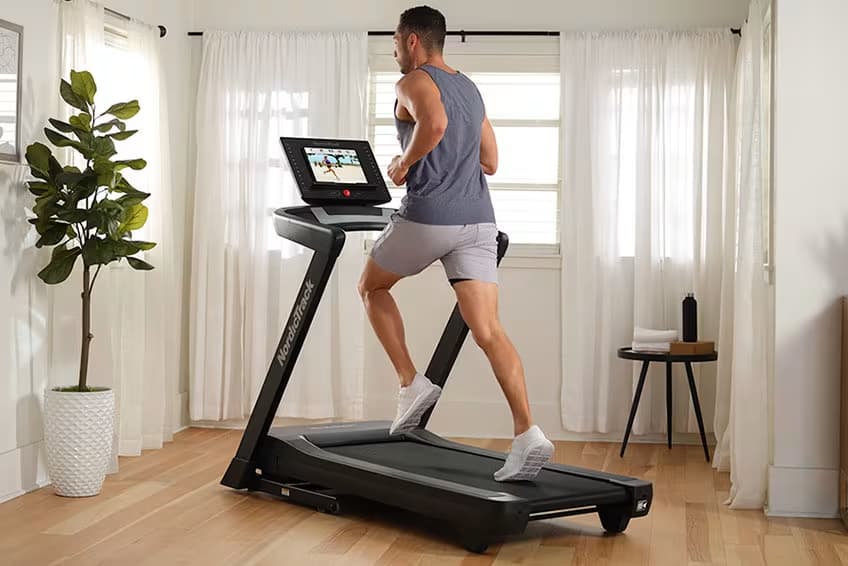 FITNESS
Treadmill vs. Outdoor Running: Weighing the Options
Discover the advantages of both treadmill and outdoor running to make an informed decision... This section goes beyond the basics,…
Read Guide FITNESS
Swimming vs. Running: Finding Your Fitness Match
Compare swimming and running, two outstanding cardiovascular exercises with distinct benefits... This section goes beyond the basics,…
Read Guide
Build Your Cardio Endurance Plan
Take our 2-min quiz and get a personalized running, cycling, or HIIT program tailored to your current level.
★★★★★ Trusted by 12,400+ wellness seekers
Free · No account needed · 2 minutesWas this article helpful?
Frequently Asked Questions
What is the best type of cardio for fat loss?
HIIT (high-intensity interval training) is highly efficient, but steady-state cardio like jogging or cycling also works well — consistency matters more than the type.
How many days a week should I do cardio?
3–5 days per week is optimal for most people. Even 20–30 minutes of moderate cardio delivers significant health and fitness benefits.
Can I do cardio every day?
Yes, if intensity is varied. Alternate between high-intensity and low-intensity sessions, and include at least one complete rest day per week.
Does walking count as cardio?
Absolutely. Brisk walking at 3–4 mph elevates heart rate into the aerobic zone and delivers real cardiovascular and metabolic benefits.

Wellness Pure Life is a science-backed platform dedicated to helping you build sustainable habits across fitness, mindfulness, and nutrition. Every guide is written with care, grounded in research, and designed to be genuinely actionable — so you can make real, lasting change.