
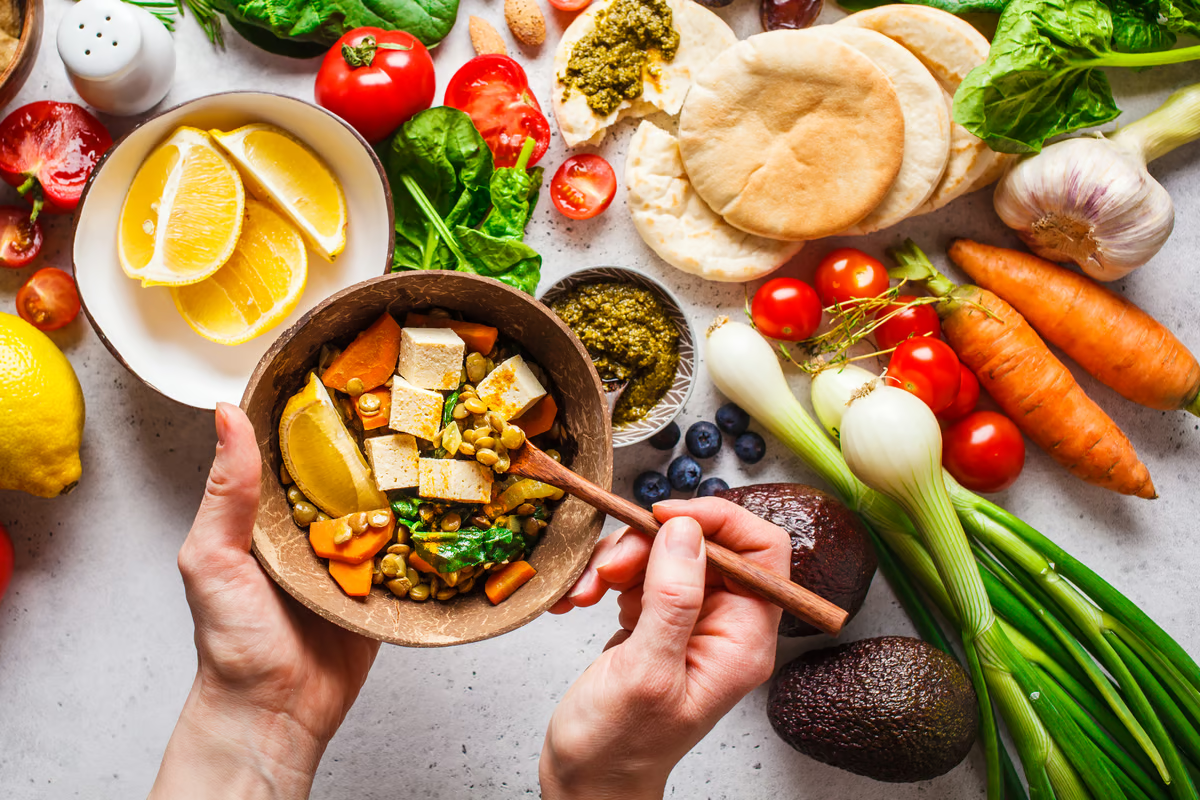
Healthy Snacking: 15 Nutritious Options That Satisfy Cravings
Disclaimer: This content is educational and not a substitute for professional medical advice.
The problem with most snacks is not the concept — it is the execution. Snacking on highly processed, low-nutrient foods spikes blood sugar and leaves you hungrier 45 minutes later. Strategic snacking on whole foods does the opposite.
Why Smart Snacking Matters
Going more than 4–5 hours without food causes blood sugar to drop, triggering cortisol release and intense cravings — see our stress reduction guide for techniques to break the stress-craving cycle — usually for the highest-sugar, highest-fat option within reach.
A well-timed snack with protein, fibre, and healthy fat prevents this cycle, keeps energy stable, and reduces overeating at the next meal.
15 Nutritious Snack Options
- Apple slices + almond butter
- Greek yogurt + berries
- Handful of walnuts or almonds (30g)
- Hummus + cucumber and carrot sticks
- Hard-boiled egg + a piece of fruit
- Cottage cheese + cherry tomatoes
- Oatcakes + avocado
- Dark chocolate (85%+) + a small handful of nuts
- Edamame with a pinch of sea salt
- Rice cakes + peanut butter
- Celery sticks + cream cheese
- A small bowl of mixed berries
- Roasted chickpeas (seasoned with cumin and paprika)
- Smoothie: banana + spinach + Greek yogurt + milk
- Overnight oats (pre-made, grab from fridge)
The Protein-Fibre-Fat Formula
The most satisfying snacks combine:
- Protein: keeps you full by slowing gastric emptying
- Fibre: feeds gut bacteria and slows glucose absorption (see our gut health guide for why microbiome diversity matters)
- Healthy fat: the most calorie-dense macronutrient, highly satiating
Example: Apple (fibre) + almond butter (fat + protein) is far more satisfying than an apple alone or crackers alone.
Unlock Your Full Wellness System
Get full access to your personalized plans, AI-powered tools, exclusive expert insights, and long-term progress tracking.
- ✨ What You Unlock with Premium
- 📅 AI-built weekly wellness plan
- 🧘 Daily Rituals Pro
- 🛌 Sleep Reset protocol
- 💆 Stress Reset protocol
- 🥗 Easy nutrition structure
- 📊 Habit & progress tracking
Timing Your Snacks
Optimal snack windows for most people:
- Mid-morning (10–11am): If breakfast was small or early
- Mid-afternoon (3–4pm): The most common energy slump window; prevents impulsive choices before dinner
Avoid snacking within 90 minutes of a main meal — it disrupts appetite signals and makes it harder to eat an appropriate portion at mealtime.
Meal Prep Your Snacks
Visible, ready-to-eat snacks get eaten. Snacks that require preparation often do not. Our meal prep guide shows how to batch-prepare a full week of healthy snacks in under two hours.
Once a week:
- Portion 30g bags of nuts
- Wash and cut vegetables
- Boil 6 eggs and refrigerate
- Prepare overnight oats in individual jars
- Make a batch of roasted chickpeas
Place them at eye level in the fridge and on the counter. You eat what you see first.
 NOURISH
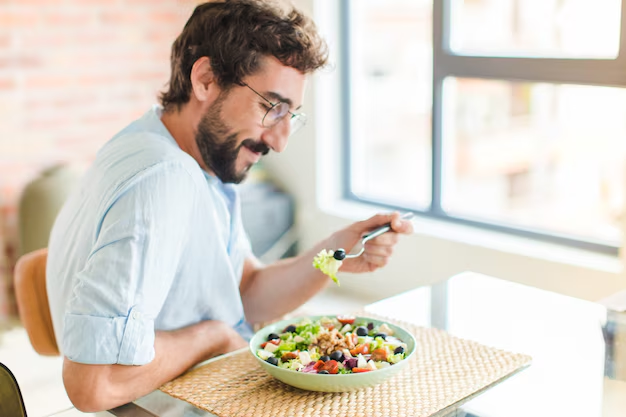
Eating with Intention: A Guide to Mindful Nourishment
Learn how to cultivate a deeper connection with your food by eating intentionally. Discover practices to savor each bite, improve…
Read Guide- NOURISH
Targeted Nutrition: Vitamins and Minerals for Specific Needs
Discover how vitamins and minerals meet specific health needs, from boosting energy to supporting bone and heart health. Insight: Expanded…
Read Guide 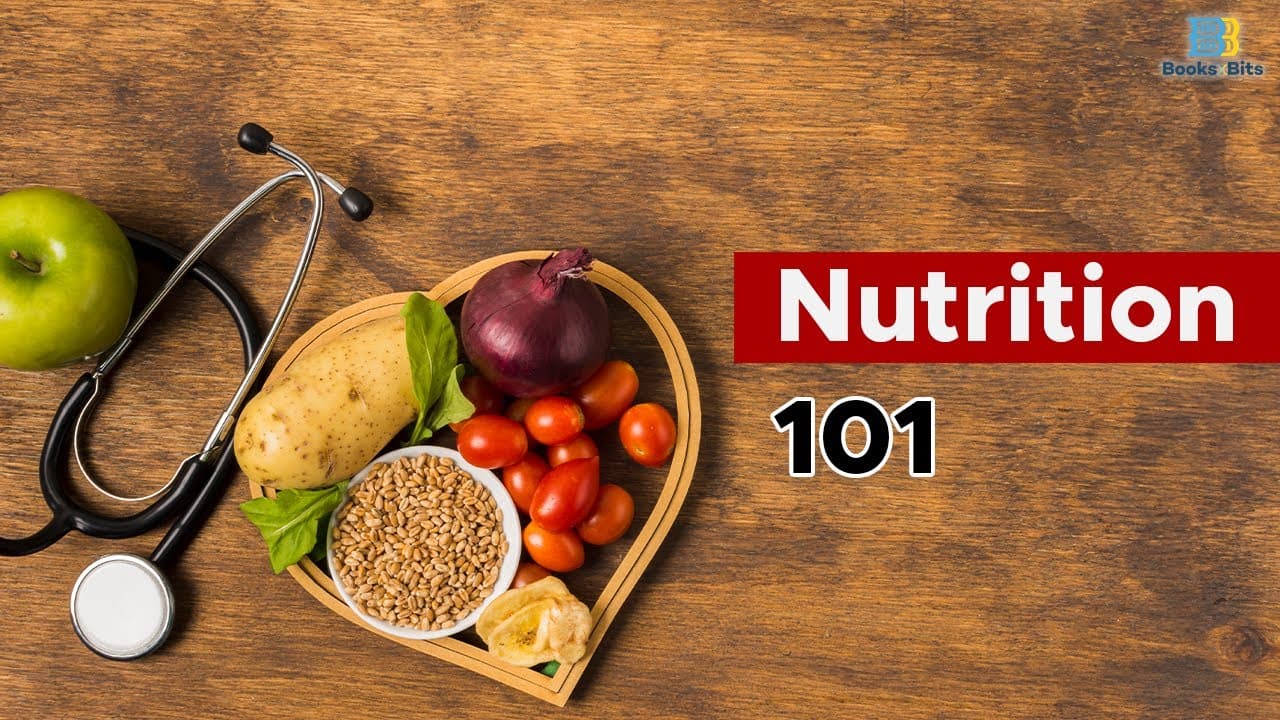 NOURISH
Meal Prep 101: Plan a Healthy Week in Under Two Hours
Meal prepping for 90 minutes on Sunday removes daily decision fatigue, saves money, and dramatically improves your weekday nutrition.
Read Guide
Build Your Mindful Eating Practice
Take our 2-min quiz and get a personalized mindful eating guide that helps you enjoy food and reach your goals.
★★★★★ Trusted by 12,400+ wellness seekers
Free · No account required · 2 minutes
Was this article helpful?
Frequently Asked Questions
What is mindful eating and how does it help?
Mindful eating means eating with full attention — noticing flavors, textures, and hunger and fullness cues. It reduces overeating, improves digestion, and builds a healthier relationship with food.
How long should a meal take to eat?
Ideally 20 minutes or more. It takes about 20 minutes for satiety signals to reach the brain, so eating slowly allows you to recognize fullness before overeating.
Does eating breakfast really matter?
For some people yes, for others no — it depends on hunger signals and lifestyle. What matters more is overall food quality and timing relative to your energy needs throughout the day.
How can I reduce emotional eating?
Identify your triggers (stress, boredom, loneliness), create a pause between craving and eating, and replace food with alternative comfort activities. Professional support helps for chronic patterns.

Wellness Pure Life is a science-backed platform dedicated to helping you build sustainable habits across fitness, mindfulness, and nutrition. Every guide is written with care, grounded in research, and designed to be genuinely actionable — so you can make real, lasting change.